Meeting the needs of a multigenerational workforce requires targeted efforts from employers.

The current U.S. workforce spans five generations, each with unique strengths, experiences, and expectations.
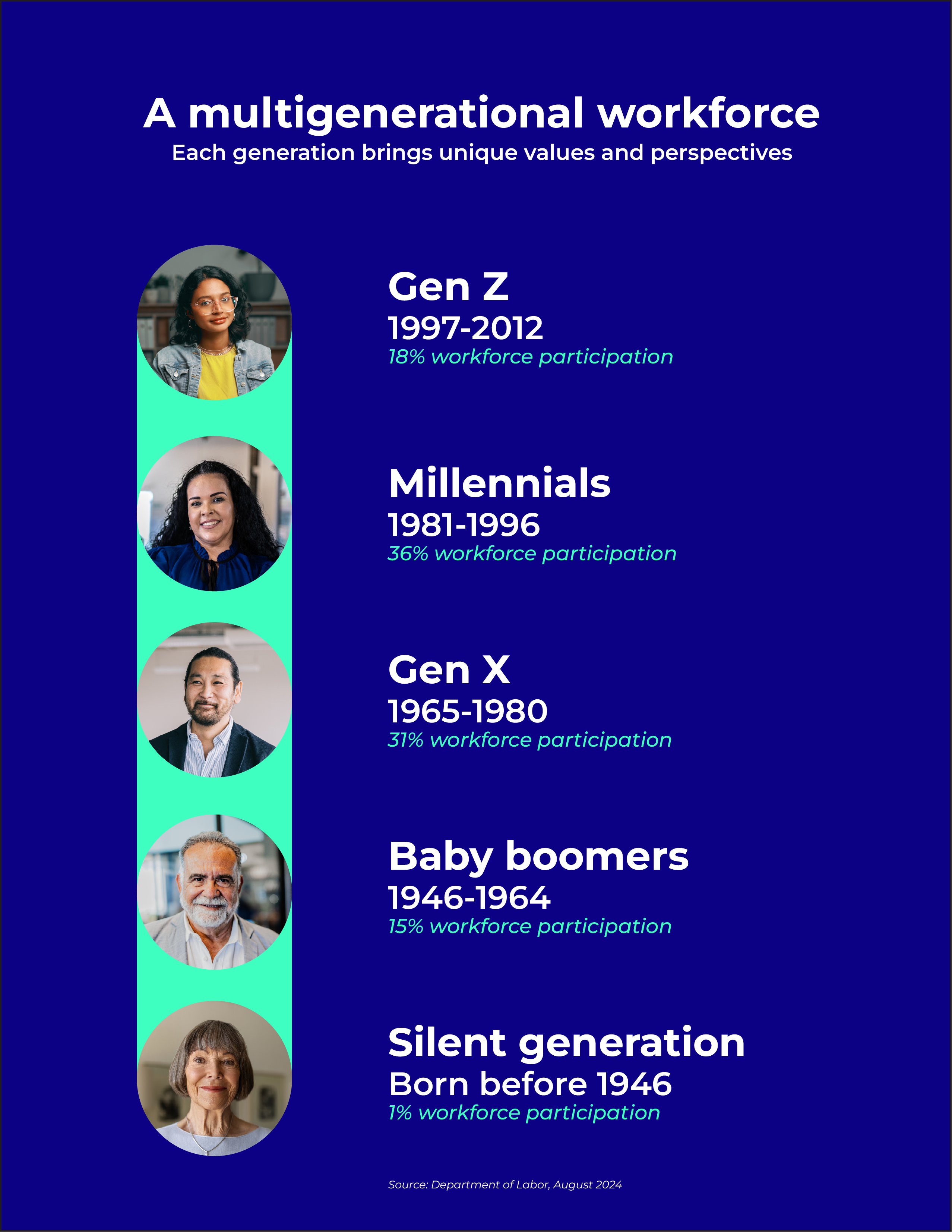
Recent research published by The Cigna Group notes that the key to meeting the needs of today’s multigenerational workforce lies in understanding and promoting vitality – a person’s ability to pursue life with health, strength, and energy – across employee demographics.
Generational differences and opportunities
Generation Z, the most diverse generation in the U.S., faces mental health issues, feelings of loneliness, and lack of resilience, resulting in the lowest vitality scores among all generations.
At work, there are also substantial differences between generations. While employed Generation Xers and Baby Boomers often see their work as a core part of their life purpose, Generation Zers and Millennials view work primarily as a means to financial gain. Older employees also have more positive feelings toward their work.

High vitality workers as role models
High vitality workers across all generations practice healthy behaviors, focus on building relationships, and approach work and life with curiosity and optimism. Within generations, high vitality workers can serve as role models for health and productivity.
For example, even though many younger workers struggle, high vitality Gen Z workers are thriving, as seen in positive changes in autonomy and competence.

Employers can learn from workers with high vitality across generations to better address the unique needs of different employee segments.
Employers can build a culture of vitality
Meeting the needs of a multigenerational workforce requires targeted efforts from employers. A culture of vitality – where employees feel confident, capable, and connected – is the result of three pillars of employer investment:
- Health benefits: Essential benefits like health, dental, and vision insurance, as well as paid time off (PTO) and retirement savings help people manage their health and life. These are considered “table stakes.”
- Workplace programs: Enhanced benefits, such as wellness programs, mental/behavioral health coverage, EAPs, paid family leave, and educational support, show that employers care about employees’ lives outside of work.
- Workplace perks: Flexible work arrangements, health and wellness stipends, and transportation assistance can help demonstrate an employer’s commitment to investing in its people.
Promoting vitality through personalized benefits
Employers that implement a personalized benefits strategy can boost productivity and create an environment where all employees can thrive. Personalizing benefits involves meeting the current and future needs of employees. Workers with high vitality across all demographics agree that health insurance is the most crucial benefit, as it provides security and peace of mind. High vitality workers also value PTO, mental and physical health benefits, wellness programs, and training, while workers with lower vitality say PTO is the most valued benefit. Low vitality workers also want career development opportunities like leadership programs, job-specific training, and recognition for their work.
In addition to offering employees a choice in their benefits, employers can implement systems that support managers in aiding their employees and create opportunities for connection through community building, volunteering, and affinity groups.
The employer opportunity
By understanding the influencers of vitality, leveraging insights from high vitality workers, and implementing a personalized benefits strategy, employers can foster a culture of vitality. This leads to a happier, healthier, and more productive workforce, where employees feel they belong and can thrive.

Get insights on how to build vitality in a multigenerational workforce
Examine the drivers of vitality and how to use these insights for organizational success.